


Quick answer: a few circles before lying down can be a normal nesting routine. What matters for a senior dog is the pattern: repeated circling, repeatedly getting up and lying back down, or being unable to settle can indicate that the dog is having trouble finding a comfortable position. VCA notes that dogs in pain may circle excessively or repeatedly rise and lie down; that does not mean every circling dog is in pain, but a new or worsening pattern deserves attention. VCA’s explanation of circling before lying down is useful context.
Why this fills a different gap: our nighttime-restlessness guide focuses on the route and sleep-wake pattern, while our bed-exit guide focuses on rising. This page connects the settling-in moment to the bed, the floor, and the dog’s normal behavior without treating circling itself as a diagnosis.
What circling before bed can be doing
Dogs have a long-standing habit of turning, nesting, and adjusting their sleeping spot before settling. VCA describes circling as part of normal bedding-down behavior, including adjusting the sleeping area for comfort and temperature. The key distinction is between a brief, familiar routine and a repeated struggle to settle. VCA also notes that excessive circling can occur when a dog is uncomfortable.

Normal nesting vs. a pattern worth watching
| Pattern | More reassuring | Worth a closer check |
|---|---|---|
| How long it lasts | A few turns, then settles | Many cycles or repeated resets |
| What happens next | Relaxes and stays down | Gets up, circles, lies down, repeats |
| When it happens | Familiar routine across days | New, suddenly worse, or much more frequent |
| Movement around the bed | Normal entry and exit | Hesitation, stiffness, scrambling, or avoidance |
| Other signs | Normal appetite, gait, activity, and behavior | Pain, weakness, repeated falls, gait change, or major sleep change |
Seven comfort checks before blaming the bed
1. Count the pattern, not one night
If your dog normally circles twice and settles, that is a useful baseline. If the routine changes to repeated loops or repeated get-ups, note the change for several ordinary rest periods. A simple phone note—time, location, number of resets, and other changes—can make patterns easier to describe to your veterinarian.
2. Watch the first step onto the bed
Does your dog approach confidently, place the paws where expected, and settle? Hesitation at the edge can point you toward entry height, a slippery transition, or a bed that has shifted. Compare this with our low-entry bed checks.
3. Check the usable sleep area
A dog that wants to stretch, turn, or change sides needs room to do so. Advertised outside dimensions can include bolsters and borders. Our usable sleep-area guide shows how to measure the part the dog can actually occupy.
4. Check the surface and base separately
The top surface should not create a slippery turning point, and the whole bed should not slide underneath the dog. Use the surface-grip checks and non-slip-bottom checks as separate tests.
5. Check support without assuming thicker is better
A dog may repeatedly reposition if the sleep surface does not feel stable or if the dog sinks more than expected. Compare foam construction, firmness, and the condition of the core using our foam-density vs. firmness guide and bed-thickness vs. support guide.
6. Check temperature and placement
Circling can also be part of trying to find a comfortable temperature. Senior dogs may be more vulnerable to overheating, and room airflow and bedding layers matter. Our memory-foam heat guide covers the whole setup rather than treating one material as automatically hot or cool.
7. Watch the later rise
The most useful clue may happen after the dog has slept. Notice whether the dog rises normally or shows a new reluctance, stiffness, repeated slipping, or difficulty getting out. If that pattern is changing, do not keep redesigning the bed while ignoring a possible health issue.

When circling should move from a bed check to a veterinary conversation
A bed can be part of the solution, but circling can also be one small clue in a larger mobility or pain pattern. VCA lists excessive circling, difficulty getting up or lying down, reluctance to move, slipping on slick floors, and repeated nighttime restlessness among behaviors that can accompany pain in aging dogs. VCA’s aging-dog pain guidance recommends veterinary evaluation when these changes appear.
Call your veterinarian sooner rather than later when the behavior is new or clearly worsening, especially if it comes with weakness, limping, repeated falls, a changed gait, reluctance to rise, pain when touched, appetite or bathroom changes, or a major sleep-wake change. If the dog already has an orthopedic, neurologic, or other medical diagnosis, use the veterinary team’s advice for home modifications rather than trying to solve the behavior with a product alone.
If the bed itself needs a closer look
These are examples to inspect, not rankings or medical recommendations. The goal is to compare the physical features discussed above—usable surface, entry edge, cover fit, support construction, and stability. Open the exact current size and variant on Chewy before buying. Product details and availability can change.
Three Chewy bed options to inspect
Shopping examples only. Check the current size, sleeping area, entry profile, care instructions, and return terms before ordering.
 #1
#1 #2
#2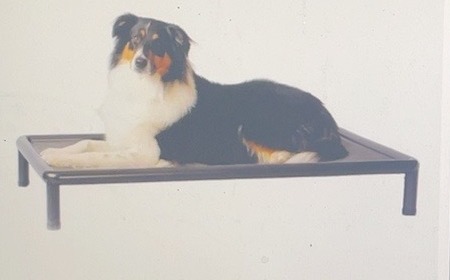 #3
#3Keep exploring
If the dog struggles to clear the edge, compare low-entry designs. If the bed moves, use the non-slip bottom checklist. If the dog’s body sinks or the foam feels inconsistent, review foam density vs. firmness. If the concern is a larger sleep change, read Senior Dog Restless at Night?.
Evidence limits
This article separates three things: veterinary context about behaviors that can accompany pain; manufacturer/listing information about specific products; and our practical home-observation framework. There is no universal circle-count threshold that diagnoses discomfort, and a dog’s sleep position or bedtime routine should be interpreted in the context of that individual dog. The purpose here is to help you notice meaningful changes and inspect the environment without over-reading a single behavior.
Common questions
Is circling before lying down normal for a senior dog?
A brief, familiar circling or nesting routine can be normal. The useful question is whether the routine is stable and the dog settles comfortably.
Does repeated circling mean my senior dog is in pain?
Not necessarily. But excessive circling can occur when a dog is struggling to find a comfortable position. New or worsening behavior deserves a closer look and may warrant a veterinary conversation.
Should I replace the dog bed if my senior dog circles?
Not automatically. Check entry, usable sleep area, surface grip, base stability, support, temperature, and route access first. Replace or change the setup when the current bed fails one or more of those practical checks.
What should I watch after my dog lies down?
Look for relaxed settling, normal position changes, and a later rise that resembles the dog’s usual movement. Repeated changes over time are more informative than one isolated session.
Sources & evidence notes
- VCA Animal Hospitals — Why Dogs Turn Around Before Lying Down
- VCA Animal Hospitals — How to Recognize Pain in Aging Dogs
- VCA Animal Hospitals — How Do I Know if My Dog Is in Pain?
- American Kennel Club — Can Senior Dogs Sleep Too Much?
Source review: September 30, 2026. Veterinary sources support treating a meaningful change in circling, settling, rising, or mobility as a reason to pay closer attention. They do not establish a universal “too many circles” cutoff or prove that a particular commercial bed will resolve a medical problem. This is an educational comfort and observation guide, not a diagnosis or treatment plan.