

When an older dog starts slipping, the next purchase can feel urgent. But before adding socks, booties, toe grips, or another floor product, inspect the part of the traction system that is easiest to overlook: the feet themselves.
Direct answer
Can long nails make a senior dog slip more?
They can contribute. The American Kennel Club notes that long nails can change paw position and reduce traction, while veterinary guidance for mobility-compromised dogs also recommends keeping nails short and trimming fur that extends between the toes. For senior dogs, that foot care works best alongside secure rugs or mats and attention to any new mobility change.
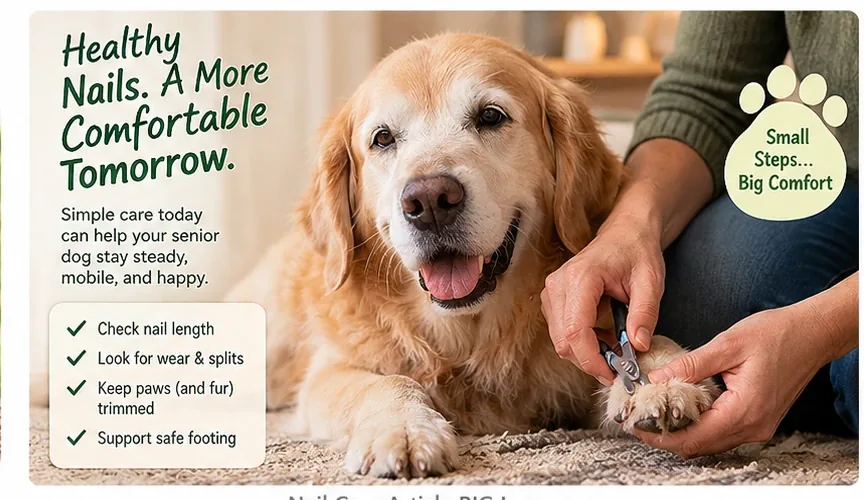
1. Start with a five-minute foot check
Look at all four paws while your dog is relaxed. Notice whether nails extend far enough to alter how the toes contact the floor, whether fur is protruding between the pads, and whether the pads are wet, irritated, cracked, or carrying debris.
Do not treat this as a diagnosis. The goal is simply to identify practical grooming or footing issues that may be adding difficulty.
2. Nail length is part of the traction picture
Long nails can affect how a paw sits on the ground. AKC guidance specifically notes that excessively long nails can splay the foot and reduce traction. For an older dog already compensating for stiffness, weakness, or balance changes, that extra variable is worth checking.
There is no universal calendar that fits every dog. Nail growth, activity, flooring, and wear patterns differ. If you are unsure how much can safely be removed—or your dog strongly resists nail handling—ask your veterinarian, veterinary technician, or groomer to help rather than attempting a large trim at once.
3. Check fur between the paw pads
Veterinary guidance for mobility-compromised dogs recommends trimming fur that extends between the toes because excess hair can interfere with secure paw contact on smooth surfaces. The goal is not aggressive shaving; it is keeping protruding fur from becoming the first thing that meets the floor.
If the skin between the toes looks red, swollen, sore, or unusually sensitive, skip cosmetic trimming and contact your veterinary team.
4. Wet paws can change the same route
A floor that is manageable when paws are dry may become much harder after rain, snow, bathing, or a damp walk. AKC paw-care guidance recommends drying wet paws and notes that this can help prevent slipping on hardwood.
Keep a towel near the door your dog uses most, and give paws a quick dry before the dog crosses a slick hallway or turns toward the bed.
5. Fix the floor route at the same time
Foot care is only half of the system. The 2023 AAHA Senior Care Guidelines recommend secure rugs and mats for traction, and VCA recommends non-slip runners in the areas a mobility-compromised dog uses most. Check the bed exit, bowls, hallway turns, doorway transitions, and base of stairs.
A mat that curls, slides, or ends before a turn can create a new problem. Stable placement matters more than simply adding more soft surfaces.
6. When should you consider a traction product?
After the basic foot and route check, some dogs may still benefit from a mobility accessory such as toe grips, boots, socks, or a support harness. AAHA includes these among possible home modifications for senior pets, but they are options—not promises of treatment.
Fit, tolerance, skin condition, gait, and the type of flooring all matter. Introduce wearable products gradually, watch for twisting or rubbing, and stop if your dog moves less naturally in them.
7. Know when grooming is not the real issue
A gradual traction problem can sometimes be improved by grooming and environmental changes. A sudden or rapidly worsening change deserves a different response. Contact your veterinarian if your dog suddenly cannot rise normally, develops a new limp, seems painful, drags or knuckles a paw, falls repeatedly, or has a major change in coordination or willingness to walk.
AAHA senior-care guidance emphasizes watching changes in posture, rising, walking, and stair use because mobility changes can be associated with pain or joint problems. Do not assume every new slip is just “old age.”
60-second traction check
Before buying another traction aid
- Look at nail length on all four paws.
- Check whether fur extends beyond the paw pads.
- Dry wet paws before slick indoor routes.
- Test rugs and runners for movement or curled edges.
- Watch the first steps out of the bed and the tightest turns.
- Note whether the change is gradual, sudden, one-sided, or painful.
What the evidence supports—and what it does not
Supported guidance: regular nail care, appropriate paw-fur maintenance, secure rugs or mats, and home modifications are all included in current senior-pet or mobility guidance from veterinary organizations. These are practical ways to improve footing and reduce avoidable environmental difficulty.
Not supported: claiming that nail trimming, rugs, socks, or any single traction product treats arthritis, reverses neurologic disease, or guarantees prevention of falls. Those are medical or outcome claims that require individualized veterinary assessment.
Optional foot-care and traction products to compare
Only shop after the foot-and-route checks above. These links are useful starting points for comparing nail-care tools, paw-grip products, and toe/nail grips; fit, tolerance, and your dog’s actual mobility needs still matter more than the product category.
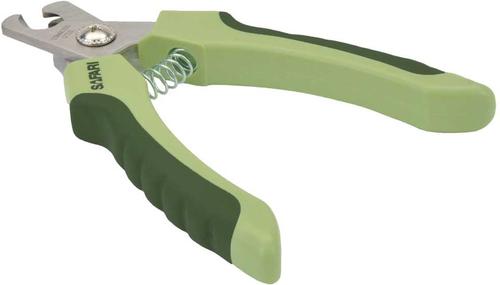 #1Browse Dog Nail CareActual product example shown: Safari Professional Nail Trimmer. This affiliate link opens a broader Chewy results page.Browse options ↗
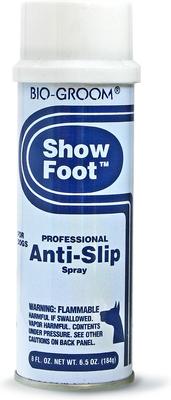 #2Browse Anti-Slip Paw SpraysActual product example shown: Bio-Groom Show Foot Anti-Slip Dog Spray. This affiliate link opens a broader Chewy results page.Browse options ↗
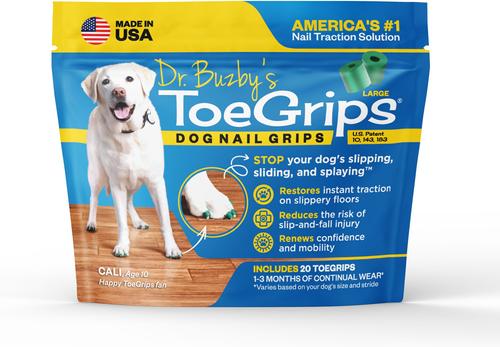 #3Browse Toe & Nail GripsActual product example shown: Dr. Buzby's ToeGrips Dog Nail Grips. This affiliate link opens a broader Chewy results page.Browse options ↗
Build the whole mobility setup
If the feet look well maintained but your dog still struggles on slick routes, continue with our route-first hardwood traction guide, compare support harnesses and traction options, or browse the broader Senior Dog Mobility & Access cluster.
Evidence note
This article was checked against current senior-care and mobility guidance from AAHA, VCA Animal Hospitals, and AKC. It is educational and is not a substitute for veterinary diagnosis or treatment.
Related traction check: Paw care works best with a predictable surface. If you are adding floor coverage, use the non-slip rug and runner checklist to inspect backing, top texture, flat edges, and route continuity.