


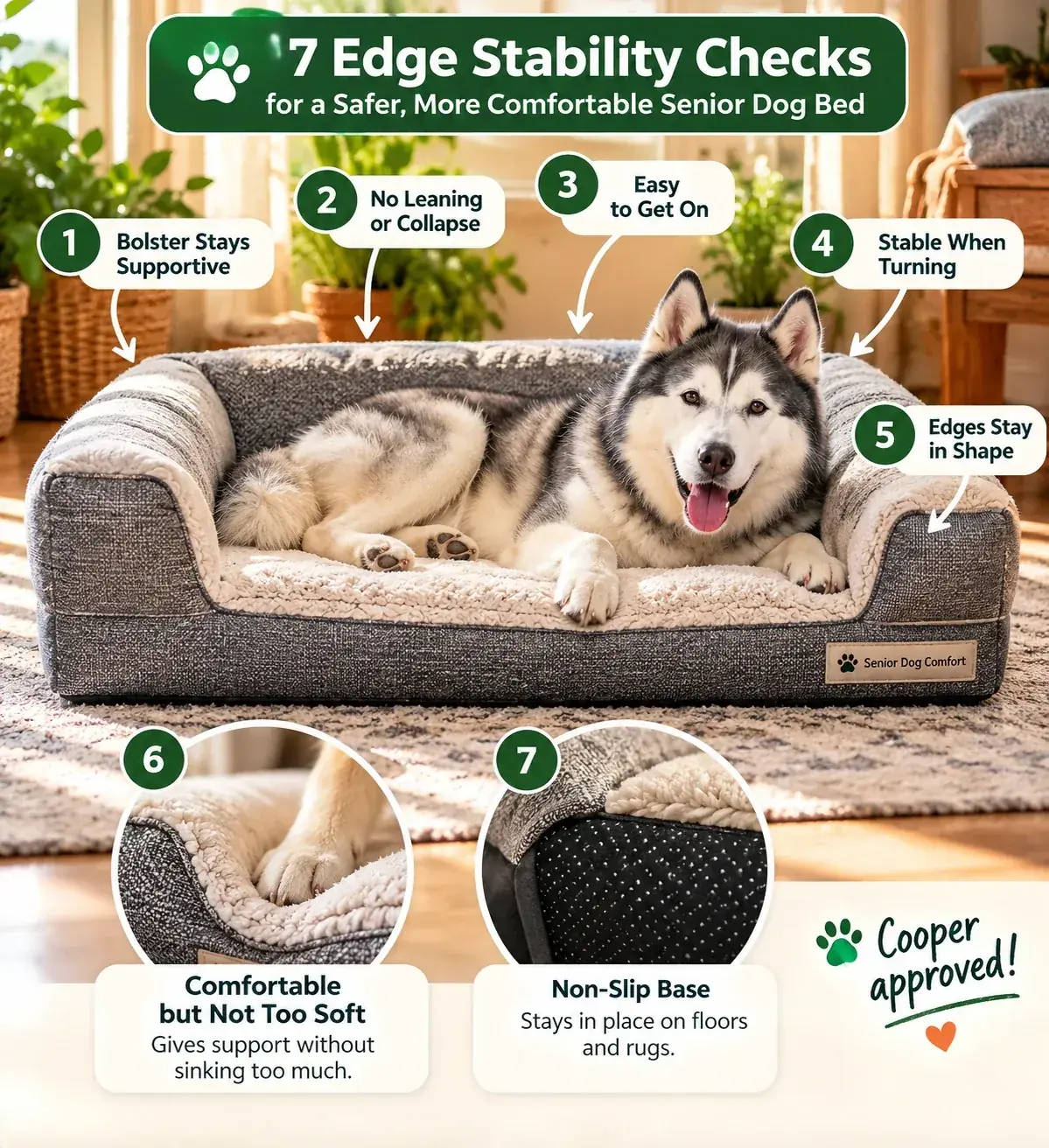
Key takeaway: A bolster or raised edge can give a senior dog a useful place to rest the head or body, but the edge should not become a moving barrier. The practical question is what happens when the bed is loaded by the dog who actually uses it: does the bolster stay stable, does the base stay planted, and can the dog still turn, settle, and leave without an awkward detour?
This is different from asking whether a bed is “soft,” “orthopedic,” or “high-sided.” A tall bolster can be comfortable for one dog and inconvenient for another. A low edge can be easier to enter but may provide less head or body support. What matters is the interaction between the dog's movement, the edge, the bed's base, and the room around it.
This guide fills a narrower gap between our bolster-vs-flat comparison, our low-entry bed checks, and our non-slip bed-bottom guide. Instead of asking which shape is best, it gives you a repeatable way to inspect the edge itself under real use.
Why edge stability deserves its own check
Older dogs can become more cautious about movement as mobility changes. Veterinary guidance from VCA notes that difficulty getting up, reluctance to jump or use stairs, avoiding slippery surfaces, and difficulty settling can be signs that deserve attention rather than being dismissed automatically as “just aging.”
That does not mean a wobbly bolster is causing pain, and a dog-bed observation is not a diagnosis. It means the bed should not introduce unnecessary work into a routine that is already physically demanding. VCA's home-mobility guidance recommends bedding that is easy to access and environmental changes that make normal movement easier for mobility-compromised dogs.
Seven checks for a stable, usable bolster
1. Push the edge with your hand
Start with the bed empty. Press the bolster inward and downward at several points, especially the area your dog normally leans against. You are not trying to measure a universal firmness number. You are looking for a change in behavior: does the edge return to its normal shape, or does it stay folded, twisted, or visibly displaced?
Repeat the test in more than one place. A bolster can feel sturdy near the corner and weak in the middle because of different fill, seams, internal supports, or wear.
2. Watch what happens when your dog leans against it
The empty-bed test is only the beginning. Observe your dog naturally resting against the edge. Does the bolster remain where it started, or does it roll inward as the dog's weight moves against it?
A little compression is normal. The useful observation is whether the edge still provides a predictable surface. If it repeatedly folds away, your dog may lose the head or body support you thought you were buying.
3. Check the base while the edge is being loaded
Edge stability and bottom stability are connected. A bolster may be structurally firm but still make the whole bed rotate or slide when the dog leans against it. Check the bed on the actual floor surface where it lives.
VCA specifically recommends non-slip surfaces for dogs with mobility concerns and notes that hard floors can make movement less secure. A stable bed is therefore only one part of the route; the floor immediately around it matters too.
4. Test the easiest exit, not just the easiest entrance
People naturally inspect how a dog gets into a bed. For a senior dog, watch how the dog gets back out. A high or stiff edge may be easy to step over in one direction but awkward when the dog is rising from a lying position.
Watch a normal wake-up rather than prompting the dog to perform a test. Look for the route the dog chooses, whether the front edge remains clear, and whether the dog has to climb over a side bolster that it could otherwise avoid.
5. Check turning and repositioning space
Some dogs change position several times before settling. VCA notes that repeated getting up and lying down can be a sign that a dog is having trouble finding a comfortable position.
That does not tell you the bed is the cause. But it does make the bed worth observing. If the dog's shoulder, hip, or paws repeatedly catch on the bolster during normal repositioning, the edge may be taking up useful movement space.
6. Look for changes caused by wear
Inspect the edge after weeks or months of use. Compare the frequently used section with a less-used corner. Look for flattened fill, a seam that has stretched, a cover that has become loose, a foam insert that has migrated, or an edge that no longer holds its original shape.
Do not confuse a cosmetic change with structural failure. The important question is whether the change affects stability, access, cleanliness, or your dog's normal use of the bed.
7. Decide whether the edge helps this particular dog
The final check is the most important: does the bolster solve a real comfort need without creating a movement problem? Some dogs like to rest their head against an edge. Others prefer to stretch flat or use a three-sided design with an open front. PetMD's veterinary-reviewed orthopedic-bed guidance similarly notes that sleeping style matters: dogs that stretch out may prefer no sides, while dogs that curl or prop themselves may prefer an edge.
So don't turn “bolster” into a universal recommendation. Treat it as a feature to evaluate against the dog's actual sleeping and movement pattern.
A five-minute real-use test
- Place the bed in its normal location.
- Watch your dog approach without directing the dog.
- Observe the first contact with the edge.
- Watch one normal settling or repositioning sequence.
- Watch the next normal exit.
- After the dog leaves, inspect whether the edge and base returned to their normal positions.
Repeat the observation on a different day if possible. One unusual movement can be meaningless; a pattern that happens repeatedly is more useful information to record.
What not to assume from a stable-looking bolster
- “Tall means supportive.” Height alone does not tell you how an edge behaves under load.
- “Firm means safe.” A very firm edge can still be awkward to cross or may reduce useful sleeping space.
- “Soft means unstable.” A soft surface can have a stable underlying structure.
- “The bed is non-slip, so the edge cannot move.” Base traction and bolster structure are separate checks.
- “My dog is older, so difficulty getting up is normal.” Veterinary sources recommend discussing meaningful mobility or comfort changes rather than automatically attributing them to age.
When the bed check should become a veterinary check
If your dog suddenly struggles to rise, repeatedly cannot settle, becomes reluctant to use stairs or jump, changes gait, avoids certain surfaces, or shows other new mobility or behavior changes, the bed is not the whole question. VCA advises veterinary evaluation for signs that may indicate pain or another underlying problem.
Take a short video of the behavior if it happens naturally. VCA notes that videos can help veterinarians understand changes in activity and movement at home.
What to compare if the edge is not working
If your current bed fails the edge-stability check, compare the construction rather than shopping from a single label. Look for the combination of usable sleep area, easy access, a stable base, appropriate support, washable construction, and an edge that behaves predictably under the dog's weight.
Start with our Bolster vs. Flat Dog Bed guide if the main question is shape. If access is the issue, use the Low-Entry Bed checks. If the whole bed moves, review Non-Slip Dog Bed Bottoms. And if the mattress itself has changed shape, compare that with the Bottom-Out Support guide.
3 Options to Compare
Ready to shop? Use these three options to compare available senior-dog comfort products and choose the construction that fits your dog and setup.
These are affiliate links. Senior Dog Comfort may earn a commission from qualifying purchases at no additional cost to you.
 #1Club Nine Pets Roma Elevated Orthopedic Dog BedView Options ↗
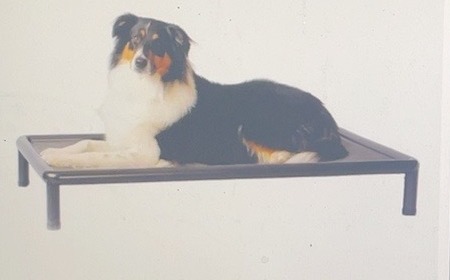 #2Snorehound Chew-Proof Aluminum Frame Elevated Dog Bed, Peppered Paws, LargeView Options ↗
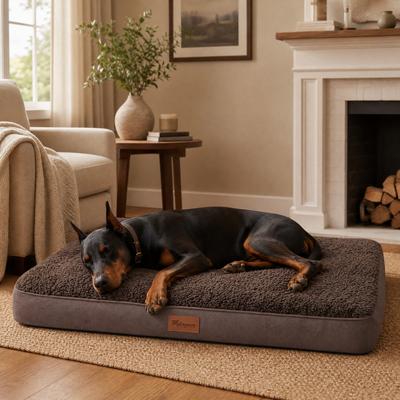 #3Kylinsure Orthopedic Pillow BedActual product image. Open the affiliate link to see current price, size, availability, and options.View Options ↗
Evidence limits
There is no veterinary universal pass/fail specification for a commercial dog-bed bolster's height, stiffness, or collapse distance. The checks in this article are a practical observation framework built around documented senior-dog mobility considerations and product-construction questions. They are not laboratory testing, a medical assessment, or a guarantee that one bed design will suit every dog.
Common questions
Should a senior dog bed have bolsters?
Not necessarily. Some dogs benefit from an edge to rest against, while others move more easily on a flat or open-front design. Sleeping style and mobility should guide the decision.
How firm should a dog-bed bolster be?
There is no single veterinary firmness number that applies to every bolster. Check whether it keeps its shape under normal use, remains stable, and does not interfere with your dog's movement.
Why does my dog's bed move when they get up?
The cause can be the bed base, the floor surface, the dog's movement, or a combination. Check the bed and the surrounding route together. Non-slip flooring is an important environmental consideration for dogs with mobility concerns.
Is a collapsing bolster a reason to replace the whole bed?
Not automatically. If the cover, insert, or bolster component can be safely replaced and the rest of the bed remains appropriate, a component repair may be enough. If the change affects access, stability, cleanliness, or support and cannot be corrected, replacement becomes more reasonable.
Sources & evidence notes
- VCA Animal Hospitals — Creating a Comfortable Home for Your Mobility Compromised Dog
- VCA Animal Hospitals — How to Recognize Pain in Aging Dogs
- VCA Animal Hospitals — How Do I Know if My Dog Is in Pain?
- PetMD Vet Advisory Panel — 5 Best Orthopedic Dog Beds of 2026
Source review: October 2, 2026. Veterinary sources support paying attention to meaningful mobility, settling, and access changes in older dogs. They do not establish a universal bolster specification. Product observations in this article are a practical inspection framework, not medical advice or laboratory testing.