

Quick answer: treat a quality seal as one checkpoint, not a verdict. Verify who awards it, what standards it represents, whether finished products are tested, what the label actually discloses, and whether the ingredients make sense for your dog with your veterinarian.
Why supplement quality deserves an extra check for senior dogs
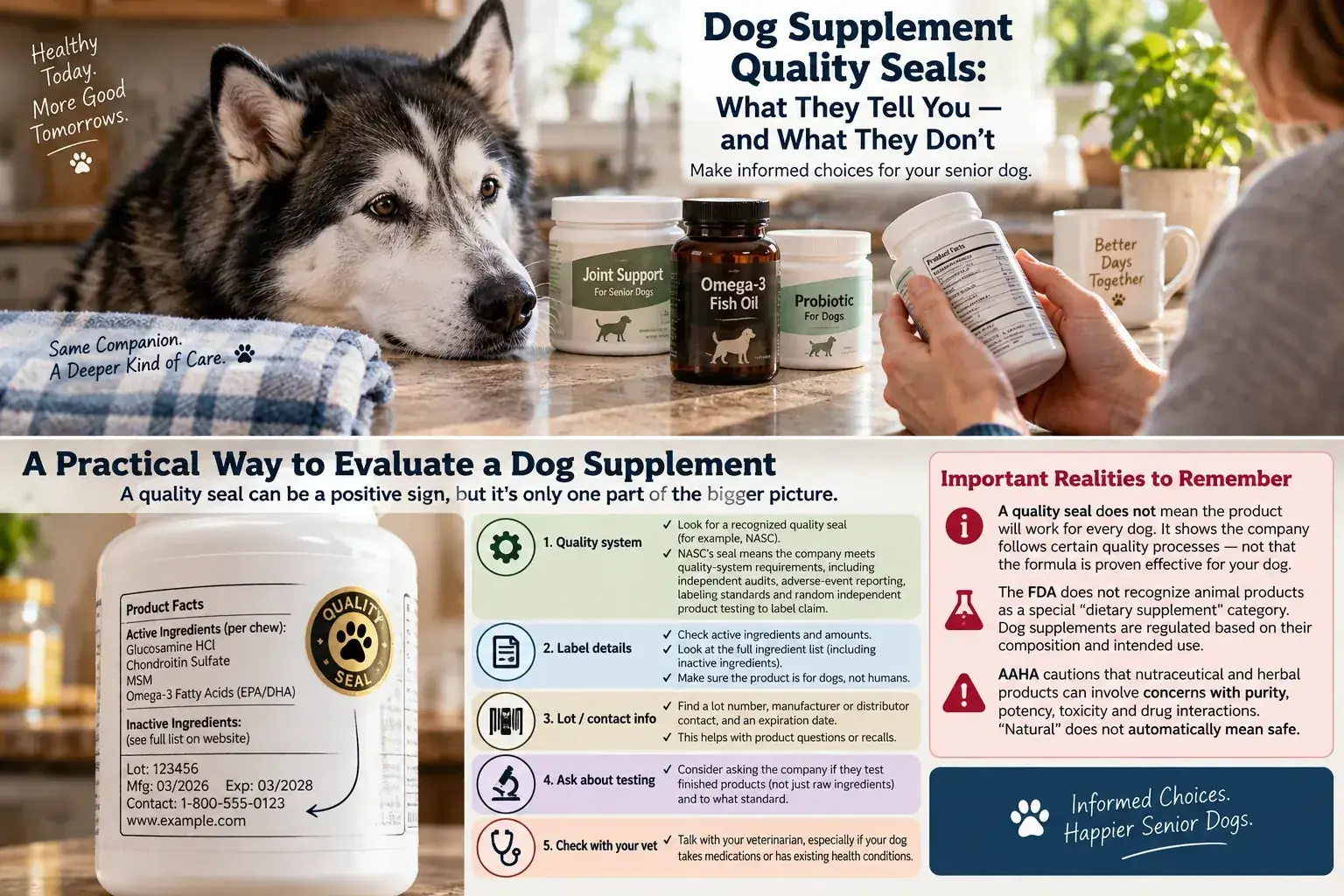
Older dogs are more likely to have several health concerns or medications in the picture. AAHA’s senior-care guidance specifically warns that herbal and nutraceutical products can involve problems with purity or potency and can also create toxicity or drug-interaction risks. “Natural” is not the same thing as automatically safe.
There is another source of confusion: in the United States, FDA does not recognize a special animal “dietary supplement” regulatory category like the one that exists for human dietary supplements. Products marketed as supplements for animals are regulated as animal food or animal drugs depending on their composition and intended use. That makes careful label reading especially useful.
What the NASC Quality Seal actually tells you
The National Animal Supplement Council (NASC) is an industry organization. According to NASC, companies authorized to display its Quality Seal must pass an independent quality audit and maintain requirements that include written quality-control procedures, adverse-event reporting, labeling standards, FDA-CVM caution statements where applicable, annual training and random independent product testing to check label claims.
Senior Dog Comfort synthesis: those are meaningful company/process signals. But they are not the same as clinical evidence that a particular ingredient, dose or finished formula improves a particular condition in your dog.
Five checks before you rely on a quality claim
1. Identify the seal—not just the word “quality”
Look for the name of the organization behind a seal and find out what a company must do to use it. A manufacturer-created badge is not equivalent to an independent audit program.
2. Read the active ingredients and amounts
A polished front label does not replace the details. Check the exact active ingredients, amount per chew/scoop/capsule, serving directions and full ingredient list. Then compare that information with the reason you are considering the product.
3. Look for traceability and a real company contact
Useful basics include a lot or batch identifier, manufacturer or distributor information, and expiration or best-by information where provided. Traceability matters if you need to ask a product question or respond to a recall.
4. Ask what was actually tested
“Tested” is incomplete by itself. A useful follow-up is whether the company tests the finished product—not only incoming ingredients—and what it tests for. NASC says its Quality Seal program includes random independent product testing to ensure products meet label claims.
5. Separate manufacturing quality from evidence of benefit
A well-made product can still contain an ingredient with limited evidence for the outcome you want. Quality control answers “was this made consistently and does it match its label?” more than “will this improve my dog’s condition?” Use our joint-supplement ingredient guide for the next layer of the decision.
Claims that deserve a second look
Be cautious with broad phrases such as “vet approved,” “clinically proven,” “pharmaceutical grade,” or “natural” when the label or company does not explain exactly what the phrase refers to. FDA determines whether an animal product is a food or drug partly from intended use; claims about treating or preventing disease can change the regulatory picture.
If your dog already takes medication—or you are considering several supplements at once—bring the exact product names and labels to your veterinarian. AAHA notes potential interactions between some nutraceuticals and drugs commonly used in senior patients.
How we separate the evidence
Listing verifiedWhat the exact product label or manufacturer currently states.
Independent contextFDA regulatory information and independent evidence where available.
Veterinary contextAAHA and other veterinary guidance about safety, interactions and senior care.
Hands-on with CooperNot claimed on this page. We have not tested a pictured supplement with Cooper.
Our synthesis: a credible quality program can reduce uncertainty about manufacturing and label consistency, but it should sit beside—not replace—ingredient evidence, your dog’s health history, medication review and veterinary guidance.
The 60-second supplement quality check
- Seal: who awards it, and is there a real audit/testing standard?
- Label: are active ingredients and amounts clear?
- Traceability: can you find lot/batch and company contact information?
- Testing: does the company explain finished-product testing?
- Claims: are benefits specific and appropriately supported rather than sweeping?
- Fit: has your veterinarian reviewed it in the context of medications and health conditions?
Sources & evidence limits
FDA — Animal Foods & Feeds: regulatory classification and animal-food framework. FDA — Animal Food Labeling and Pet Food Claims: federal labeling context. AAHA — Evaluating the Healthy Senior Pet: veterinary context for nutraceutical purity, potency, toxicity and interactions. NASC — Quality Seal: the organization’s own description of its audit and testing requirements.
Evidence checked September 20, 2026. NASC is an industry organization and its description of its seal is treated here as the program’s own stated criteria, not independent proof of product effectiveness. This page does not provide dosing advice or diagnose or treat disease.
View supplement options
If you are comparing supplements after using the quality checks above, review the exact product label, active ingredients, amounts, testing information and fit for your dog before buying.
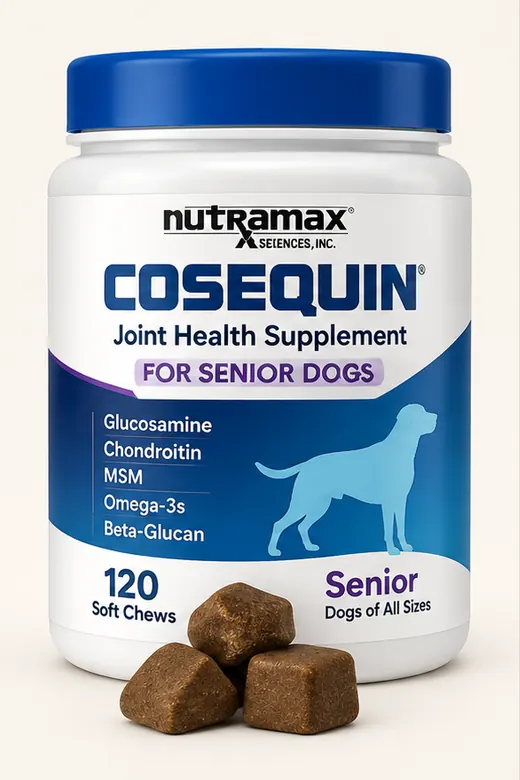 Cosequin Senior Joint Health Soft Chews120 count · senior-dog joint support formula
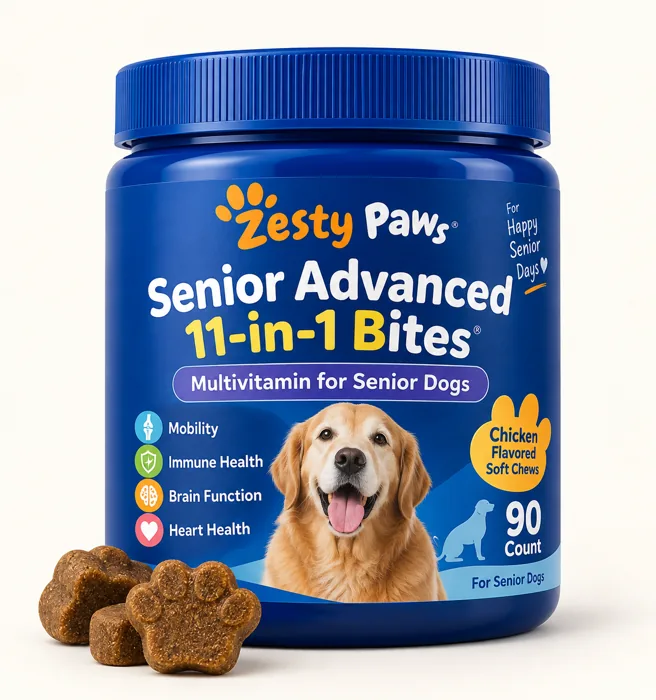 Zesty Paws Senior Advanced 11-in-1 BitesSenior-dog multivitamin soft chews · 11-in-1 formula
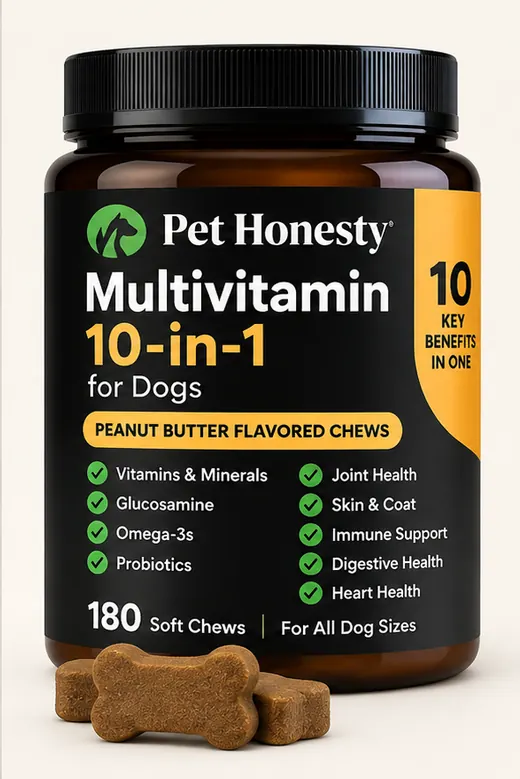 Pet Honesty Multivitamin 10-in-1 Chews180 count bundle · peanut-butter flavored multivitamin
Product visuals are provided for quick recognition; packaging can change. Verify the current product label, count and ingredients on the retailer page before purchasing.